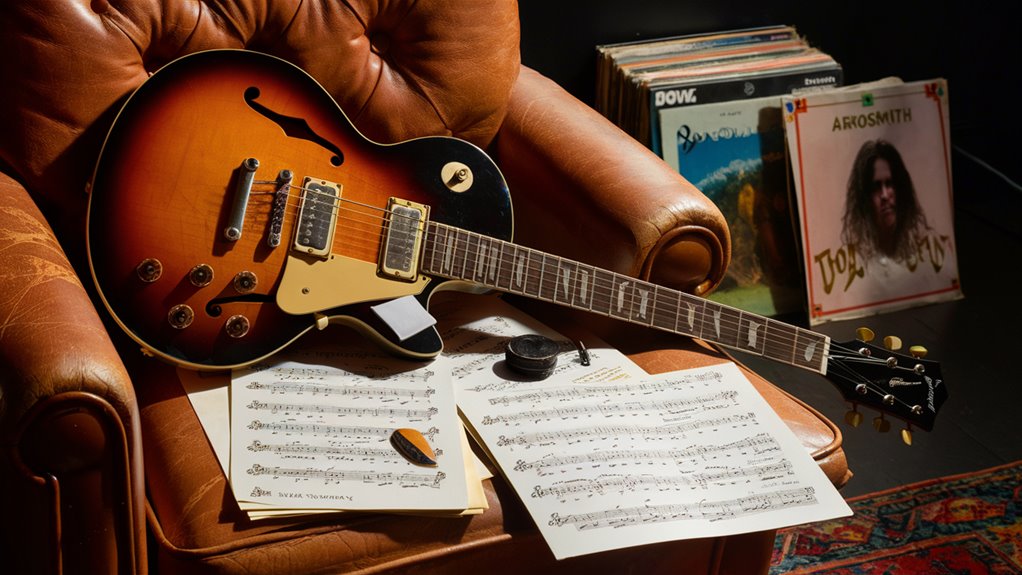
Go-To Rock Ballads : for Beginners
Best Rock Ballads for New Guitar Players: A Must-Know List
Starting Out with Classic Rock Ballads
Rock ballads are great for new guitar players. They have easy chord steps and slow beats, which are good for learning the basics. Here is a good list of easy rock ballads to help you start.
Key Ballads and Their Playing Styles
“Knockin’ on Heaven’s Door” uses a basic G-D-Am-C step, making it a good first song to try. The simple beat and the repeating parts help build muscle memory and smooth chord changes.
“Every Rose Has Its Thorn” brings in power chords, key for rock playing. This song from Poison is good for learning basic hand muting and makes your fingers strong with easy chord forms.
Picks for Advanced Beginners
“More Than Words” by Extreme builds important finger spots and brings in simple fingerpicking styles. The song, played on an acoustic guitar, is great for getting better at clean note hitting and timing. 현지인 추천 장소 알아보기
“Nothing Else Matters” by Metallica mixes open chords with a clear song part setup, giving you a great way to practice playing changes and learning chord steps.
Tips for Better Practice
- Keep your practice speed at 60-80 BPM
- Use a DDUUDU strumming style
- Work on smooth chord changes
- Get better at hand muting
- Build dynamic control
- Use a metronome to keep good timing
These simple songs and styles form a strong base to move to harder rock ballads while building key guitar skills.
Needed Tools and Gear for Rock Ballads
Main Instruments and Amps
Electric guitar is needed for making rock ballads.
Stratocaster and Les Paul-style guitars give a wide range of sounds needed for showing deep feelings.
A good amplifier (15-20 watts at least) with built-in overdrive and reverb options gives the special sound that sets classic rock ballads apart.
Needed Extras
Pro gear needs good extras:
- Guitar cords (10+ feet, shielded)
- Electronic tuner for right pitch control
- Medium-sized picks for hitting strings right
- Comfy guitar strap for long play times
- Capo for easy key changes
- Extra string sets for upkeep
Gear for Recording and Playing Live
Pro recording gear makes both practice and live shows better:
- Microphone for catching voice
- Audio interface for digital recording
- Studio monitors or headphones
- Digital Audio Workstation (DAW) software
Practice Gear
Practice extras build key music skills:
- Metronome for rhythm training
- Music stand for keeping sheet music in order
- Headphone amp for quiet practice
- Chord charts and study stuff
This wide range of gear sets a pro foundation for making moving rock ballads while making sure your sound and play quality are top-notch.
Key Beginner Songs for Rock Ballads
First Must-Learn Songs
“Knockin’ on Heaven’s Door” by Bob Dylan is perfect for beginners, using a four-chord sequence (G, D, Am, C) that repeats through the song. at Your Next Office Event
This easy structure lets new players focus on basic changes while getting better at rhythm.
Getting to Know Power Chords
“Every Rose Has Its Thorn” by Poison is a great start for learning power chord styles with a clear strumming pattern. The song’s moderate speed and predictable changes make it easy for new players to build finger strength and coordination.
Steps for Intermediate Players
“More Than Words” by Extreme, though an acoustic piece, is a top choice for learning finger spots and time control. The song’s soft pace helps build muscle memory for harder songs.
Bigger Beginner Challenges
“I Don’t Want to Miss a Thing” by Aerosmith brings in important hand muting styles while keeping changes easy. The song’s steady beat is great for practicing dynamic control and putting feelings into music.
The Way to Harder Songs
“Nothing Else Matters” by Metallica is a great middle step between beginner and higher skills. Even though the starting part seems tough, the song and chorus sections use open chords that are easy to learn, making it a good challenge for guitar players ready to move up.
These core rock ballads cover key skills like:
- Getting better at chord changes
- Building rhythm control
- Understanding varied sounds
- Simple fingerpicking styles
- Key strumming ways
Basic Chords and Ways to Play Them
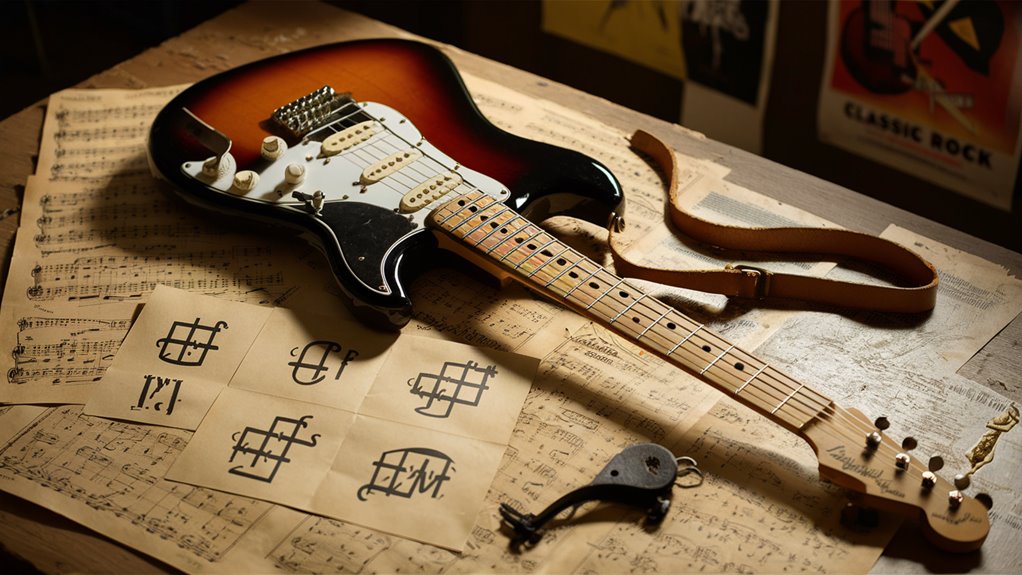
Key Guitar Chords and Ways for Rock Ballads
Main Open Chords
Simple open chords are the base of guitar music, especially in rock ballads.
The main chord shapes are E major, A major, D major, G major, and their minor forms like Em, Am,Dm. How to Plan a Karaoke Night for Your
These basic shapes are used in many classic ballads and new songs.
Core Chord Sequences
The I-IV-V way is a key pattern in rock music, often played as G-C-D or E-A-B.
This way is used a lot in famous ballads like “Every Rose Has Its Thorn.”
Another key sequence is the I-V-vi-IV way (C-G-Am-F), which you can hear in big hits like “With or Without You.”
Getting Better at Chord Skills
Power chords are a good start if full open chords are hard. These simpler two-finger versions build hand strength well.
More skilled players can try suspended chords (sus2 and sus4) and seventh chords for more sound depth.
Focus on smooth changes between chords at an easy speed, putting right playing before fast playing.
Mastering these chord changes opens up a huge list of rock ballads to try.
How to Strum Ballads
Getting Good at Ballad Strumming for Guitar
Key Strumming Styles for Beginners
Strumming styles are the base of playing touching rock ballads well.
The mix of rhythm shifts and timing control makes the special sound of this type of music.
The Main DDUUDU Style
The Down-Down-Up-Up-Down-Up style is key for ballad guitar playing.
Practice this main strumming way while counting “1-and-2-and-3-and-4-and,” keeping timing right. Use lighter strums for quieter song parts and go stronger for louder parts to make good sound changes.
Four-Count Down Style
The slow four-move (Down-Down-Down-Down) is great for lots of well-known ballads.
This long note strumming style fits well with big songs like “Wonderwall” and “Every Rose Has Its Thorn,” giving a steady beat base.
More Advanced Strumming Styles
Hand Muting for Deeper Sound
Hand muting style makes ballad playing better by adding more sound depth.
Put your strumming hand’s hand near the strings at the bridge to get the soft sound. Let go of the mute for chorus parts to make the sound loud and clear, making strong sound changes.
Control of Sound and Showing Feelings
Get good at sound changes by changing how hard you strum through different song parts.
Make small changes between soft verses and strong choruses to add feeling and better song shape. Best Karaoke Rooms for Hosting Special
Tips and Ways to Practice
Key Guitar Practice Tips and Ways
Getting Good at Ballad Strumming Basics
Right metronome practice is key for skilled ballad strumming.
Start at 60-70 BPM, focusing on smooth chord changes and keeping consistent strumming pressure.
Plan your practice in focused 5-minute parts, moving up in speed only after getting the rhythm right.
Recording and Looking at Your Play
Sound recording check is key for getting better technically.
Watch for string sound, rhythm rightness, and sound control.
Use mobile recording options to catch practice times, then look at them closely to find specific spots that need work.
Better Ways for Changing Chords
The pivot finger way makes smooth chord changes better by keeping a still spot during moves.
Break hard chord parts into small moves, practicing them by themselves before putting them together.
Control of Sound and How You Stand
Get good at hand muting and pick angle changes to build better sound control.
Move from basic down strums to using up moves in a planned way.
Try both sitting and standing spots to get better at strumming moves and make your sound good in different play spots.
Main Practice Parts
- Metronome-led timing
- Smooth chord changes
- Sound control drills
- Recording check
- Spot-based way development